
Artists, scientists, engineers, architects, designers, inventors and visionaries whose work and lives have inspired Salazar Design.
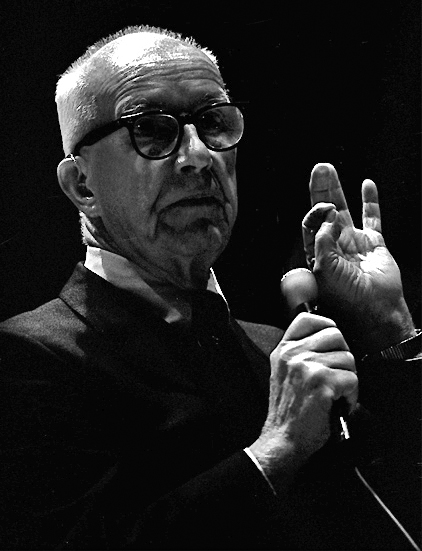
1895–1983 · Designer, inventor and systems thinker
Buckminster Fuller brought architecture, invention and geometry to the question of how humanity could live well with the resources available to it. His work ranged from geodesic domes and the Dymaxion house to transportation and world mapping. Structural efficiency belonged to a wider ambition: to address shelter, energy, poverty and ecological damage together. He developed and demonstrated physical designs while examining the relationships among technology, resources and human needs—a practice that crossed the usual boundaries between disciplines.
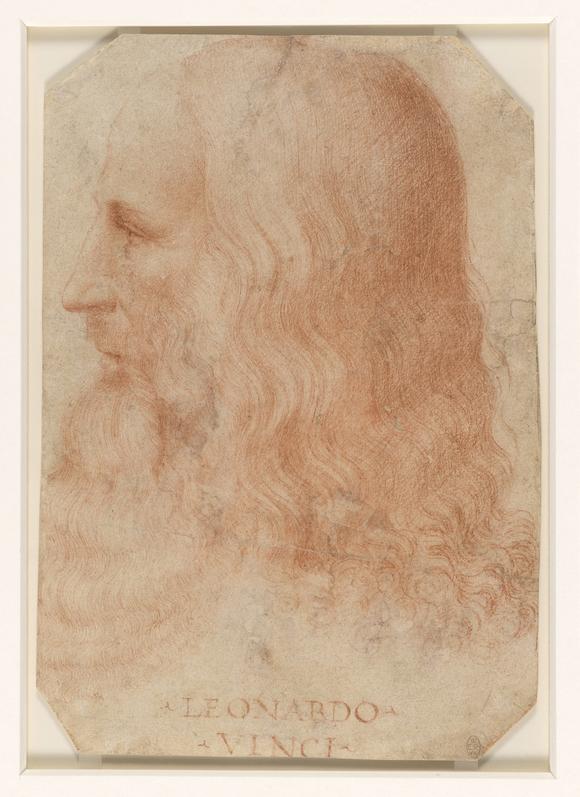
1452–1519 · Artist, engineer and observer of nature
Leonardo da Vinci pursued painting, anatomy, engineering, architecture and the study of the natural world through an extraordinary practice of drawing. His surviving sheets move from plants and landscapes to mechanical devices and the internal structures of the body. He borrowed methods of representation across disciplines, using architectural sections and engineering’s exploded views to explain anatomy. Observation, visual expression and the investigation of how things work met on the same page, making drawing both an artistic practice and an instrument of inquiry.
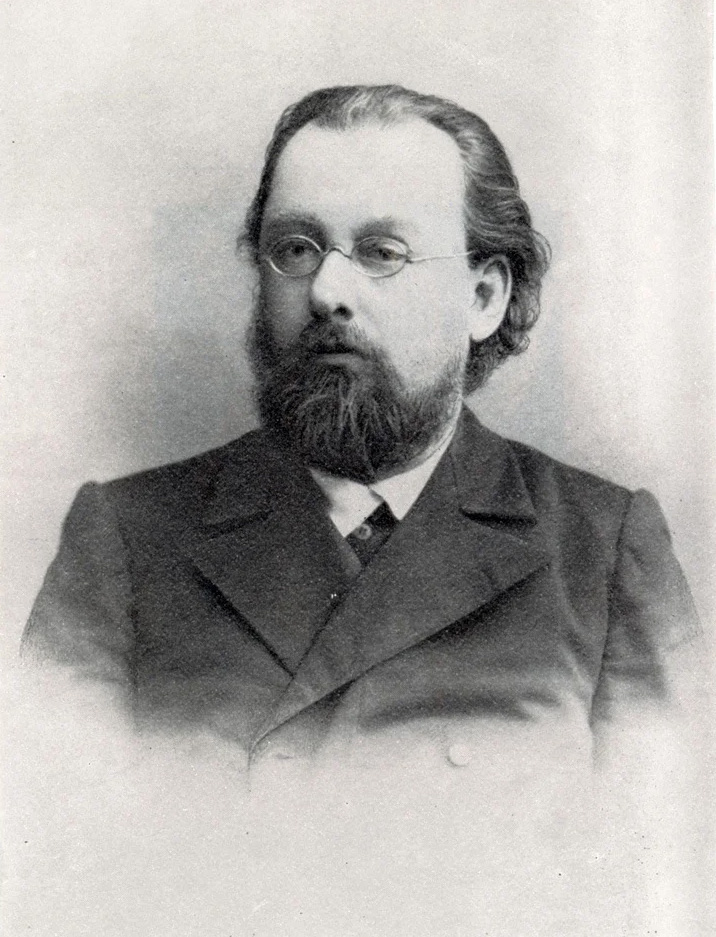
1857–1935 · Astronautics pioneer and space visionary
Konstantin Tsiolkovsky helped establish the theoretical foundations of spaceflight while imagining the lives that might become possible beyond Earth. A teacher and theorist, he investigated rocket propulsion and advocated liquid propellants, orbital stations and solar energy. His vision also extended to the conditions of habitation: in writings from 1919–1920, he described mirrors directing sunlight into dwellings and greenhouses in space. Reaching another environment and making a life within it were connected parts of a much larger human undertaking.
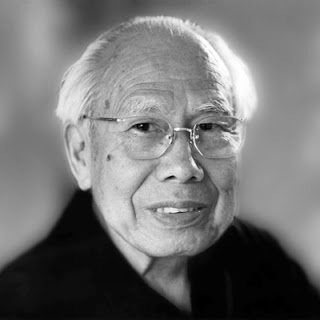
1911–2005 · Origami artist
Akira Yoshizawa helped establish origami as a sculptural art with an international audience. Through close observation, he gave folded animals and figures a sense of character and movement. His development of wet-folding brought soft curves and rounded forms into paper sculpture, while his diagramming methods helped people share and learn the art across languages. His work demonstrates the expressive range that can emerge from patient attention to a material, its geometry and the living subjects it seeks to evoke.
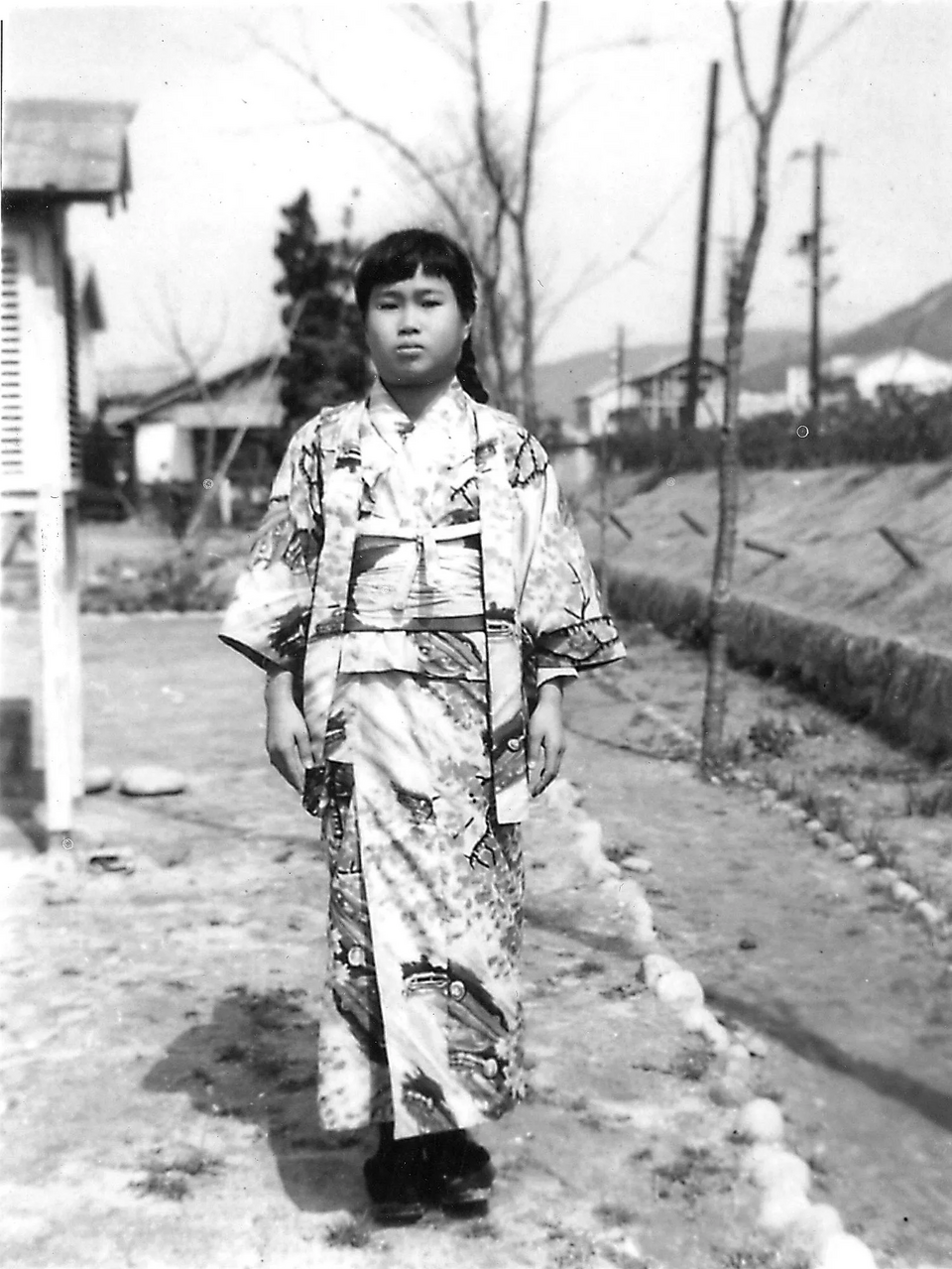
1943–1955 · A life remembered through a worldwide movement for peace
Sadako Sasaki survived the atomic bombing of Hiroshima as a small child and later developed leukemia. In hospital, she folded paper cranes in the hope of recovering. After her death in 1955, her classmates helped inspire the campaign for the Children’s Peace Monument. Her story carried the paper crane around the world as a symbol of peace. It continues to connect an intimate act of making with a shared commitment to protecting life and remembering the human consequences of war.


